
 English
 Español
 Pусский
 Français
 Deutsch
 한국어
한국어 العربية
 Italiano
 Svenska
 Polski
 ไทย
ไทย Türk dili
 हिन्दी
 Tiếng Việt
 中文
中文 dansk
dansk қазақ
қазақ বাংলা
বাংলা فارسی
فارسی українська
 беларускі
 Suomalainen
 o'zbek
 Србија
 پښتو
پښتو საქართველოს
 Shqipëria
 Afrikaans
 Kikongo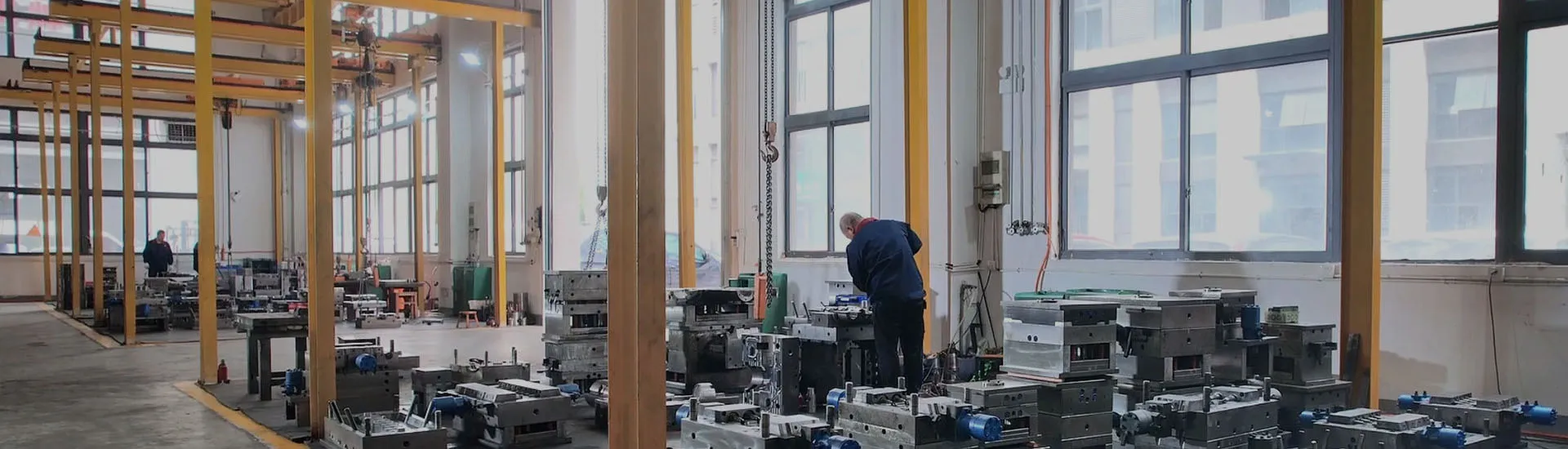
Molde de encaixe de tubo
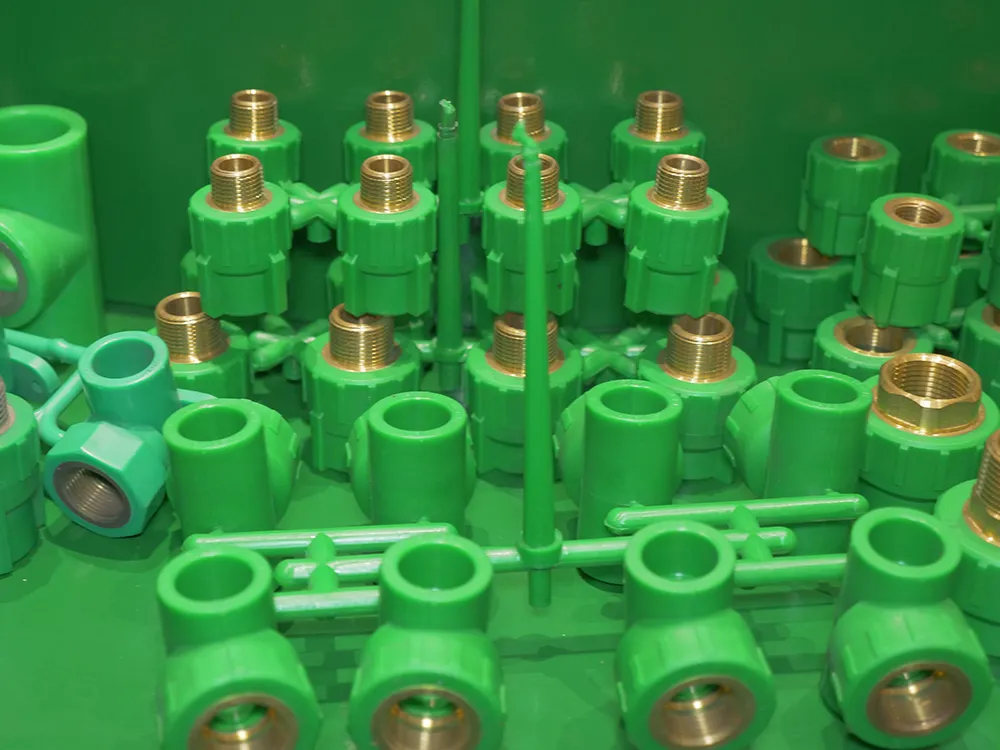
Pipe Fitting Mold: An Overview A pipe fitting mold is a specialized tool used in the manufacturing of pipe fittings, which are essential components in plumbing, irrigation, and industrial piping systems. These molds are designed to produce precise and durable fittings such as elbows, tees, couplings, reducers, and flanges in various materials, including PVC, CPVC, PP, PE, and metal alloys. The quality and accuracy of the mold directly impact the performance, leak resistance, and longevity of the final product. Design and Construction Pipe fitting molds are typically made from high-grade steel or aluminum to withstand high pressure and temperature during the injection molding or casting process. The mold consists of two or more halves that form a cavity in the shape of the desired fitting. Precision machining ensures tight tolerances, smooth surfaces, and proper alignment to prevent defects like flash or warping. Key design considerations include: - Wall Thickness: Uniform distribution to avoid weak spots. - Draft Angles: Facilitate easy ejection of the finished part. - Cooling Channels: Optimize cycle time by ensuring even cooling. - Venting: Prevents air traps that could cause voids or burns. Manufacturing Process 1. Material Preparation: Raw plastic pellets or metal alloys are fed into the molding machine. 2. Injection/Casting: Molten material is injected or poured into the mold cavity under high pressure. 3. Cooling & Solidification: The material cools and hardens into the fitting’s shape. 4. Ejection: The mold opens, and the fitting is removed, often with the help of ejector pins. 5. Post-Processing: Trimming, deburring, or threading may be required for final specifications. Quality Control Strict quality checks ensure dimensional accuracy, pressure resistance, and leak-proof performance. Common tests include hydrostatic pressure testing, visual inspections, and measurements using coordinate measuring machines (CMM). Applications Pipe fitting molds produce components for: - Plumbing systems (residential and commercial). - Chemical processing plants (corrosion-resistant fittings). - Agriculture (irrigation systems). - Oil & gas pipelines (high-pressure applications). Advancements Modern molds incorporate CNC machining, 3D printing for prototypes, and smart sensors to monitor wear and performance. Multi-cavity designs improve production efficiency, while modular molds allow quick changes for different fitting types. Conclusion Pipe fitting molds are critical to producing reliable, standardized fittings that meet industry requirements. Their precision engineering ensures seamless installation and long-term durability in diverse piping systems. Continuous innovation in mold technology enhances productivity and reduces waste, supporting sustainable manufacturing practices.
Produto
Categoria:
-
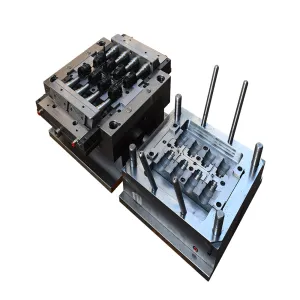
Molde de encaixe de tubo de injeção PP
Sua classificação: Molde de encaixe de tubo PPVistas: 634Número:Tempo de liberação: 2025-09-16 23:44:29Molde de encaixe de tubo de injeção PPNome do item: soquete masculinoCavidades: 8 cavidadesMaterial: ppestrutura do molde: estrutura deslizante da coluna guia diagonalAço da cavidade/núcleo: 2738 ou 718 para a cavidade e o núcleoDureza do núcleo/cavidade: HRC 32-45 graus após tratamento térmico a vácuoMáquina de moldagem por injeção: 250T Estilo de negócio do molde Hongjin: molde para tubo UPVC, molde para tubo PP-R, molde para tubo alargado, molde para tubo PE, molde para tubo ABS, molde para encaixe de tubo de água de drenagem, molde para válvula de plástico, molde para encaixe de tubo dobr...
Notícias
Categoria:
-
[industry news]Você conhece alguns desses elementos no molde de injeção
2024-06-30 17:02:00
Caso
Categoria:
Vídeo
Categoria:
Download
Categoria:
Nenhum resultado de pesquisa!
Recrutamento
Categoria:
Nenhum resultado de pesquisa!
Produtos recomendados
Nenhum resultado de pesquisa!




 Whatsapp
 Telefone